Art Storage Tips: How To Protect Your Collection
Storing artwork takes more care than stacking boxes in a spare room. Paintings can warp. Sculptures can crack. Framed pieces are one bad lean away from a broken corner. Whether you are clearing studio space, rotating pieces between shows, or setting a collection aside for a season, having a plan before anything goes into storage saves a lot of headaches later.
Anytime Storage can be a practical solution for artists and collectors who need more room without giving up their work. This guide walks through how to prepare different types of art for storage, what conditions to look for in a unit, and how to stay organized when pieces are coming in and out on a regular basis.
Storing Paintings
The most important rule for paintings: store them upright, never flat. Laying a canvas flat puts uneven pressure on the surface and can cause warping or cracking over time. Stand each piece on its bottom edge, with something soft underneath to cushion it.
A few things that help:
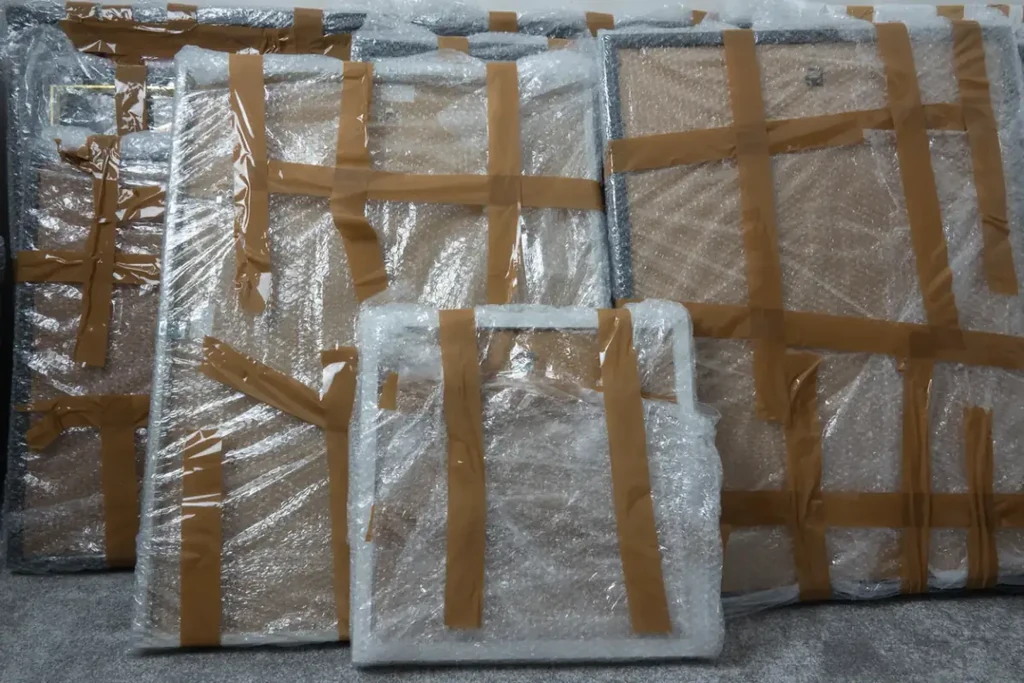
- Wrap each painting individually in acid-free paper before adding bubble wrap or a moving blanket on top.
- Avoid plastic wrap directly against the surface. It can trap moisture and cause paint to lift or stick.
- Slotted crates work well for storing multiple pieces of similar size. They keep canvases separated and upright without contact between surfaces.
Storing Sculptures and Three-Dimensional Work
Three-dimensional pieces need more individual attention. The general approach is the same across materials: protect the fragile areas first, pad the whole piece, and pack it in a way that prevents shifting.
Here are some practical tips for sculptors:
- Wrap thin or extended elements separately before wrapping the full piece. Foam padding, acid-free tissue, and clean moving blankets all work, depending on the material.
- Pack each piece in a container that fits it well. Too much extra room allows movement; too little risks compression damage.
- Label each container clearly so you know what is inside without unwrapping it. This matters especially if pieces are going in and out regularly.

Framed Work: A Few Extra Steps
Frames add another layer of risk. Glass fronts crack under pressure. Frame corners are vulnerable to impact. Stacking framed pieces is generally not a good idea, even with padding between them.
Before storing framed pieces:
- Add corner protectors to each frame before wrapping.
- Keep frames from leaning directly against hard surfaces.
- For larger collections, padded vertical racks keep frames within reach and reduce the risk of accidental damage when pulling pieces in and out.
Keep an Inventory
Art storage gets complicated quickly without a system. Before anything goes into a unit, photograph each piece and note the dimensions, medium, and condition. A simple spreadsheet works fine for most collections.
Number your containers and match them to your inventory list. When you need a specific piece, you will know exactly where it is without unpacking everything around it. This is especially useful for artists rotating work between shows or exhibitions.
Storage Conditions Matter
Temperature swings are the biggest threat to stored artwork over time. Paint and canvas expand and contract with temperature changes, which can lead to cracking and flaking.
Climate-controlled storage units maintain consistent temperature levels throughout the year. For artwork stored long term, or for anything particularly fragile, a climate-controlled unit is a better option than a standard one.
If you are unsure whether climate control is necessary for your collection, ask yourself: would you store this piece in a garage or attic without concern? If the answer is no, a climate-controlled unit is worth the additional cost.
Find the Right Storage for Your Art
When you are ready to find a storage unit for your artwork, look for an Anytime Storage facility that offers climate-controlled options, convenient access hours, and a clean, well-maintained environment. Use our online storage unit size guide to find the right size for you. The right unit gives you room to work without worrying about the pieces you are not working on.
Contact us today to learn more about available unit sizes and storage options near you.