
How To Protect Your Storage Unit From Pests: A Complete Prevention Guide
What You’ll Learn in This Post
- What actually attracts rodents, insects, and moths to a storage unit
- Which containers keep pests out (and why cardboard works against you)
- How to clean and prep items before storing them to remove what pests are after
- A full pest-prevention checklist you can run through before you lock up
- Why climate-controlled storage adds another layer of protection
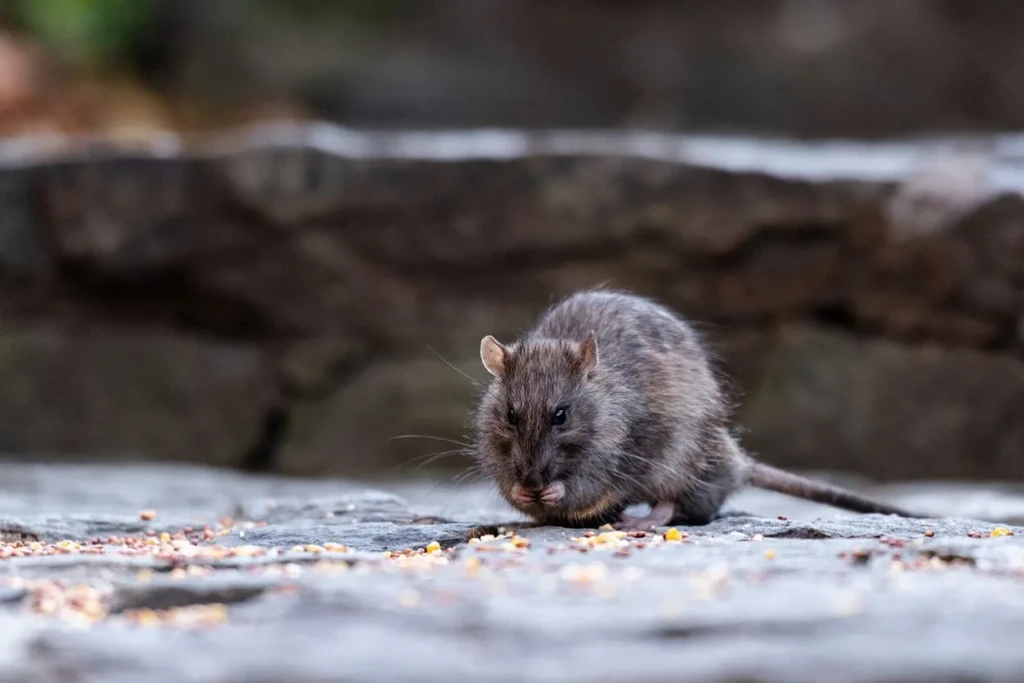
Nobody packs up a unit expecting to open it months later and find chewed boxes or a moth-damaged sweater. But storage units, by nature, sit still for long stretches of time, and pests are drawn to exactly that kind of quiet, undisturbed space. The good news is that most pest problems in self storage are preventable with a little planning before you ever lock the door.
Here is what actually attracts pests to stored belongings, and the steps that make a real difference in keeping them out.
Why Pests Target Storage Units
Rodents, insects, and other pests are looking for three things: food, shelter, and material to nest in. A storage unit can accidentally offer all three if items go in unprepared.
What tends to attract pests:
- Food residue. Crumbs in a couch cushion, a forgotten snack in a kitchen box, or sticky residue on dishware can draw ants, roaches, and mice from surprisingly far away.
- Cardboard. Cardboard boxes are made from paper fibers and starch-based glue, both of which insects like silverfish and roaches can feed on. Rodents also chew through cardboard easily to get inside or build nests.
- Fabric and natural fibers. Wool, silk, fur, and other natural materials are a food source for clothing moths. Unwashed clothing is even more appealing, since body oils, perspiration, and perfume residue attract insects looking for a meal.
- Clutter and dead space. Densely packed boxes and unused corners create dark, undisturbed hiding spots. Pests prefer places that will not be moved or opened for a while, which describes most storage units by design.
Choose the Right Containers
One of the simplest changes that makes the biggest difference is swapping cardboard for sturdy plastic bins with tight, locking lids. Plastic containers are much harder for insects and rodents to chew through, and a well-sealed lid keeps scents from food or fabric from escaping and drawing pests in from outside the box.
If you are storing clothing or linens long term, breathable cotton or canvas garment bags work well for natural fibers that need some airflow, while airtight plastic bins are better for items that do not need to breathe, like offseason decor or paperwork. Either way, skip the cardboard.
Clean and Prep Everything Before It Goes In
Pests do not usually show up because of one bad box. They show up because something in the unit gave them a reason to stay. Before you store anything:
- Vacuum upholstered furniture and wipe down appliances, especially around seals, drawers, and vents.
- Wash or dry-clean clothing, linens, and curtains rather than folding them away dirty.
- Wipe down dishware and kitchen items to remove any food residue, even if it looks clean.
- Empty and clean out anything with drawers, cushions, or hidden compartments.
This single step, cleaning before storing, removes most of what pests are actually after.
Read More: Long-Term Storage Tips for Keeping Your Belongings Safe
Keep Items Off the Floor and Leave Room to Breathe
Set boxes and furniture on clean pallets or simple shelving rather than directly on the concrete floor. This does two things: it keeps items away from ground-level moisture, and it makes it easier to spot droppings, gnaw marks, or nests if something does get in. Leaving a little space between stacked items and the walls also improves airflow, which helps reduce the buildup of moisture that can lead to mold, mildew, and the musty conditions pests are drawn to.
Skip the Mothballs, Try Natural Deterrents
Traditional mothballs contain chemicals with a strong, lingering odor that can transfer to fabric and other porous items, which is not ideal for anything you plan to use again once it comes out of storage. Cedar blocks, cedar chips, and lavender sachets are commonly used alternatives that moths and some insects tend to avoid, without leaving behind the same chemical smell. They are not a complete substitute for clean, sealed storage, but they are a reasonable extra layer of protection for fabric-heavy units.
Seal Food, or Better Yet, Leave It Out Entirely
Food and perishables are one of the fastest ways to invite rodents and insects into a unit. If you are storing kitchen items, canned goods, or anything food-adjacent, keep it in airtight containers and consider whether it needs to be in the unit at all. For most self storage situations, it is worth leaving perishable food out of the unit altogether.
Check In on Your Unit Regularly
Even a well-packed, well-sealed unit benefits from a periodic look. Stopping by every month or two to check for droppings, gnaw marks, unusual odors, or new gaps around boxes lets you catch a small problem before it turns into a bigger one. It is also a good habit for spotting general issues, like a box that got crushed or an item that shifted during a move.
The Role of Climate Control
Temperature and humidity swings create the kind of damp, unstable environment many pests prefer. A climate-controlled unit keeps temperature more consistent year-round, which removes some of the conditions that draw pests in and helps protect fabric, wood, paper, and electronics from moisture damage in general. It is worth noting that climate control is not a seal against the outside world on its own, since units still have doors, vents, and shared walls, so it works best alongside the packing and cleaning habits above, not instead of them.
Pest Prevention Checklist
- Use plastic bins with tight, locking lids instead of cardboard boxes
- Wash or dry-clean fabric items before storing them
- Wipe down furniture, appliances, and dishware to remove food residue
- Keep any food sealed tightly, or leave perishables out of storage
- Store boxes on pallets or shelving instead of directly on the floor
- Leave small gaps between stacked items for airflow
- Add cedar blocks or lavender sachets as a natural deterrent for fabric
- Check your unit every month or two for droppings, gnaw marks, or odors
- Consider a climate-controlled unit for added temperature stability
A Smart Next Step: Climate-Controlled Storage
Good packing habits go a long way, but the environment your items sit in matters too. If you are storing fabric, furniture, electronics, or anything sensitive to humidity and temperature swings, an Anytime Storage climate-controlled storage unit is worth the investment.
Need a storage unit near you? Browse our storage locations to find a facility closest to you and reserve online today!