Choosing Between Uncovered, Covered, and Enclosed Boat Storage
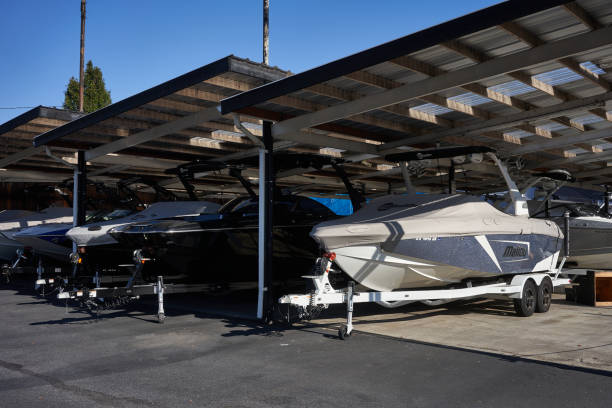
Choosing the right type of boat storage plays an important role in protecting your boat and managing long-term ownership costs. Whether you’re storing it for the off-season or between trips, understanding the differences between uncovered, covered, and enclosed options can help you make a confident decision.
Each option offers varying levels of protection, security, and price. The best choice depends on your climate, how often you use your boat, and how much protection you want. Below, we’ll break down the key differences to help you determine which storage solution fits your needs.
Uncovered Boat Storage: Cost, Exposure, and Best Use Cases
Uncovered boat storage is typically the most affordable and accessible option. This type of storage usually consists of a designated outdoor parking space within a secured facility. Because there is no roof or enclosure, it offers convenience and lower monthly costs, making it a practical solution for many boat owners.
However, uncovered storage also means your boat is fully exposed to the elements. Sun, rain, wind, snow, and debris can all contribute to wear and tear over time. Prolonged exposure to sunlight and UV radiation can break down materials like gelcoat, plastics, and fabrics over time, leading to discoloration, weakening, and premature aging. Prolonged UV exposure may fade paint, damage upholstery, and dry out seals. In harsher climates, repeated moisture exposure can also increase the risk of mildew or corrosion if the boat is not properly covered and maintained.
Uncovered storage works best for short-term storage, milder climates, or owners who use high-quality boat covers for added protection. It’s also a good fit for durable vessels that are built to withstand outdoor conditions. For budget-conscious boat owners who prioritize affordability and easy access, uncovered storage can be a smart and practical choice.
Covered Boat Storage: Weather Protection Without Full Enclosure
Covered boat storage offers a balance between outdoor parking and full indoor protection. Located under a roofed structure, it shields your boat from direct sun, rain, and debris while still allowing easy access.
This added coverage helps reduce UV damage and water exposure compared to uncovered storage, extending the life of paint and upholstery. While your boat is still exposed to temperature changes, covered storage provides meaningful protection at a more affordable price than enclosed units.
Covered storage is a practical choice for owners who want improved protection without paying for full indoor storage.
Enclosed Boat Storage: Security, Climate Control, and Long Term Value
Enclosed boat storage provides the highest level of protection. Stored inside a fully enclosed unit or building, boats are shielded from weather, sun exposure, and debris. Some facilities also offer climate control to help manage temperature and humidity.
This environment reduces the risk of UV damage, corrosion, and mold while adding an extra layer of security. Although enclosed storage typically costs more, it can help preserve your boat’s condition and lower long-term maintenance needs.
For high-value boats or areas with extreme weather, enclosed storage offers the most comprehensive protection.
Choosing the Right Boat Storage for Your Needs
No matter which option you choose, the right boat storage can help protect your investment and keep your boat ready for the next season. If you’re unsure whether uncovered, covered, or enclosed storage is the best fit, reach out to your local storage facility and ask about availability, security features, access hours, and unit sizes.
A quick conversation can help you compare options and choose the storage solution that matches your budget, climate, and how often you use your boat.